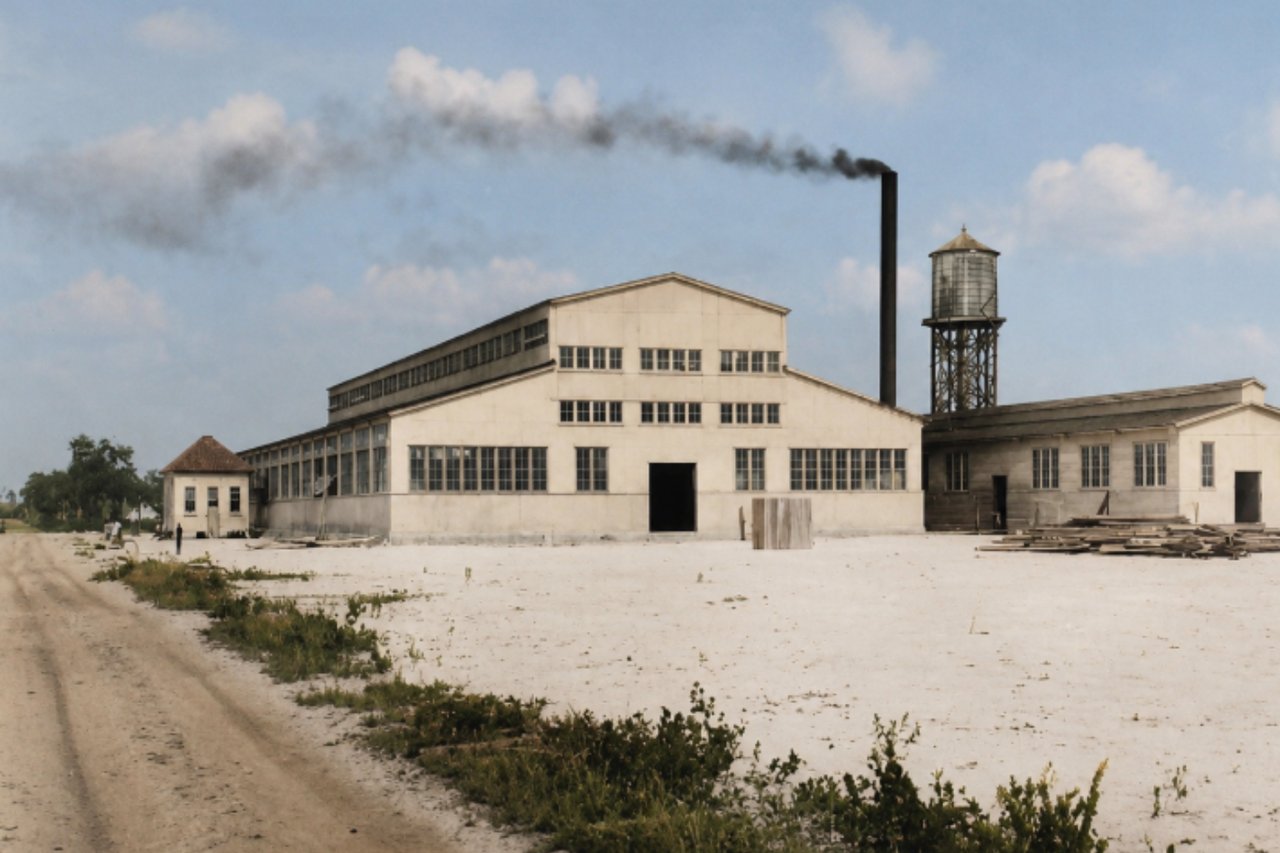
The Sisal Dream of St. James City: When Pine Island Was Poised to Become Florida’s "Rope City"
St James City Rising
St James City Rising
Most people know St. James City as a quiet fishing village at the southern tip of Pine Island.
Today, it's celebrated for boating, waterfront dining, fishing charters, and its unmistakable Old Florida atmosphere.
But more than a century ago, local leaders envisioned something completely different.
They believed St. James City would become the industrial heart of Southwest Florida and perhaps even the rope-making capital of the state.
The first grand vision for St. James City had already come and gone.
Following the collapse of the St. James on the Gulf Company in 1904, many believed the community's opportunity for major growth had disappeared.
Instead, only a few years later, another ambitious idea emerged.
This time, it wasn't tourism that investors were betting on.
It was agriculture and manufacturing.
In 1912, newspapers throughout Florida reported that St. James City was preparing to become the center of Florida's sisal hemp industry.
Sisal is a tropical plant valued for its exceptionally strong natural fibers. Before synthetic materials became common, sisal was widely used to manufacture rope, twine, cordage, shipping materials, agricultural products, and marine equipment.
At the time, demand for these products was high, and investors believed Pine Island's warm climate offered ideal growing conditions.
The opportunity appeared enormous.
The newly formed development company moved quickly.
Hundreds of acres surrounding St. James City were planted with sisal.
A large processing factory was constructed along the waterfront to harvest and process the fibers.
Modern equipment was installed to convert raw plant material into finished rope products.
But the vision extended well beyond agriculture.
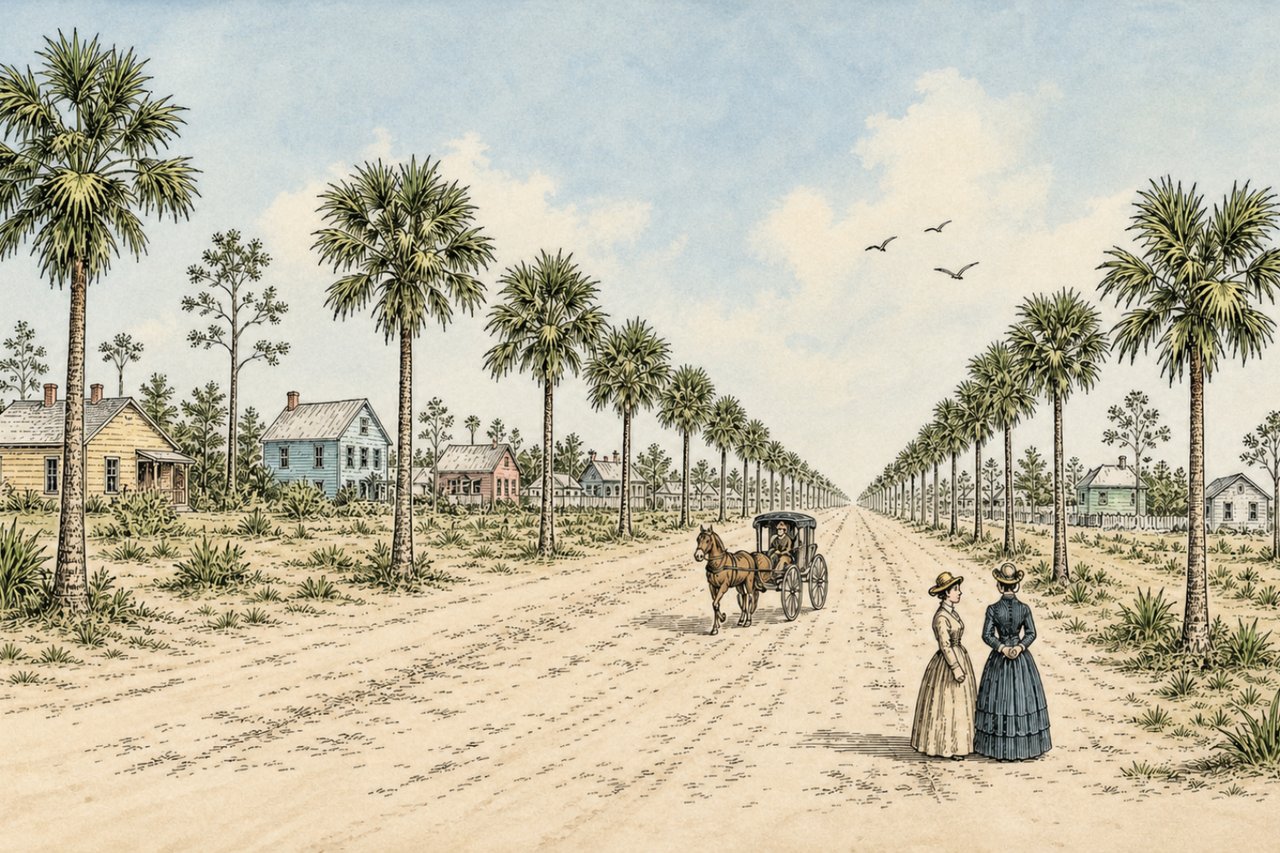
Developers laid out broad streets and boulevards while investing in infrastructure that was considered remarkably advanced for the time.
An electric plant was built.
An ice plant followed.
Promotional materials marketed St. James City not only as an emerging industrial center but also as an attractive winter destination for visitors escaping colder climates.
For a brief period, it appeared the town was finally becoming everything early investors had imagined.
Like many ambitious developments throughout Florida's early history, success depended on continued investment and financial stability.
Unfortunately, the company expanded faster than it could sustain.
Significant borrowing fueled rapid construction and large-scale agricultural operations.
Behind the optimistic newspaper headlines, financial pressures were steadily growing.
By 1915, the story had changed completely.
Instead of celebrating expansion, newspapers were reporting bankruptcy proceedings.
The dream of creating Florida's sisal capital was unraveling.
Within only a few years, the company's assets were sold at auction.
The processing machinery was liquidated.
Factory equipment disappeared.
The telephone system was sold.
Even the office furniture was auctioned off.
In less than a decade, one of Southwest Florida's most ambitious industrial projects had come to an end.
The vision of transforming St. James City into Florida's "Rope City" had officially collapsed.
What makes St. James City's history remarkable is not the number of failed business ventures.
It is the resilience of the people who stayed.
After the collapse of the original waterfront development.
After the failure of the sisal industry.
Families, fishermen, pioneers, and local business owners continued building their community one generation at a time.
Rather than becoming an industrial city, St. James City evolved into something entirely different.
It became one of Southwest Florida's most authentic waterfront communities, where life remains deeply connected to the water, commercial fishing, boating, and Old Florida traditions.
That enduring character is part of what continues to attract residents and visitors today.
Understanding the history of St. James City offers valuable insight into why Pine Island remains unlike anywhere else in Southwest Florida.
The community wasn't shaped by a single successful development.
It was shaped by resilience.
For buyers exploring Pine Island real estate, St. James City homes for sale, waterfront homes on Pine Island, Gulf access homes, Southwest Florida real estate, boating communities, fishing villages in Florida, island living, waterfront investment property, Lee County real estate, luxury waterfront homes, Old Florida communities, coastal homes for sale, retirement communities in Southwest Florida, and Pine Island waterfront property, that history continues to add meaning and value.
The area's identity was earned through generations of perseverance, not rapid expansion.
That story continues to resonate with people looking for a community that has preserved its character while the rest of Florida has changed around it.
St. James City has experienced more than one ambitious vision throughout its history.
First came the dream of becoming a thriving waterfront city.
Then came the vision of becoming Florida's center for sisal hemp production.
Neither unfolded as investors had planned.
Yet the community endured.
More than a century later, St. James City remains one of the oldest continuously inhabited waterfront communities in Southwest Florida, preserving the spirit of Old Florida while continuing to write new chapters of its history.
To learn more about the fascinating rise and fall of St. James City's sisal industry, watch the full St. James City Rising video where I explore the people, businesses, and bold ambitions that nearly transformed Pine Island forever.
If you enjoy local history, hidden Southwest Florida stories, Pine Island communities, waterfront developments, and real estate insights, you can join my Insiders List here.
What do you think? If the sisal industry had succeeded, would St. James City have become one of Florida's great industrial waterfront cities, or are you glad it preserved the quiet coastal character that makes it so special today?
St James City Rising
Mel Smith | August 28, 2026
Mel Smith | August 14, 2026
St James City Rising
Mel Smith | July 31, 2026
St James City Rising
Mel Smith | July 10, 2026
St James City Rising
Mel Smith | June 26, 2026
Fort Myers Rising
Mel Smith | June 12, 2026