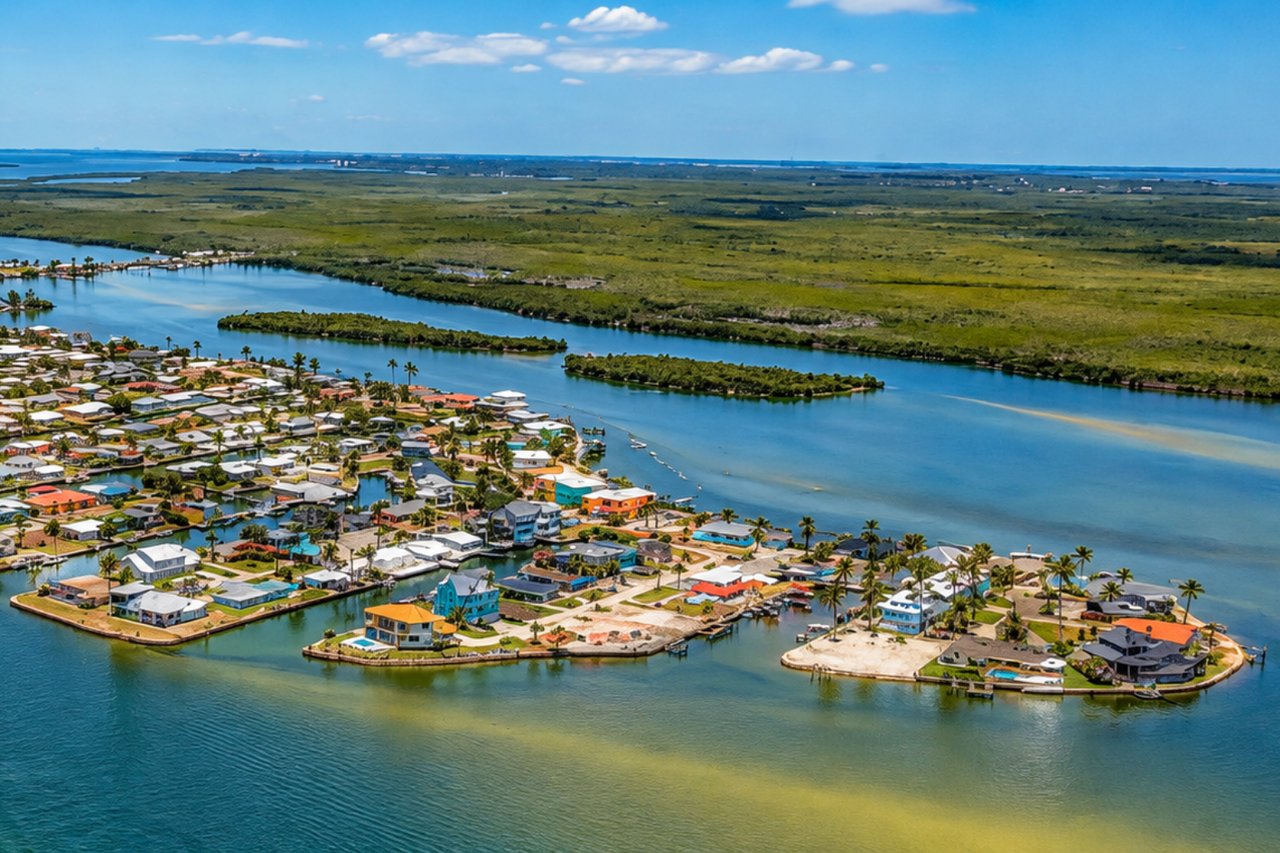
The Hidden History of Matlacha: From Fishing Village to Florida's Colorful Island Community
The Islands Rising
What if I told you that one of Southwest Florida's most colorful communities was built on land that barely existed a century ago?
Or that there was once a time when catching the biggest fish could win you a piece of waterfront property?
This is Matlacha.
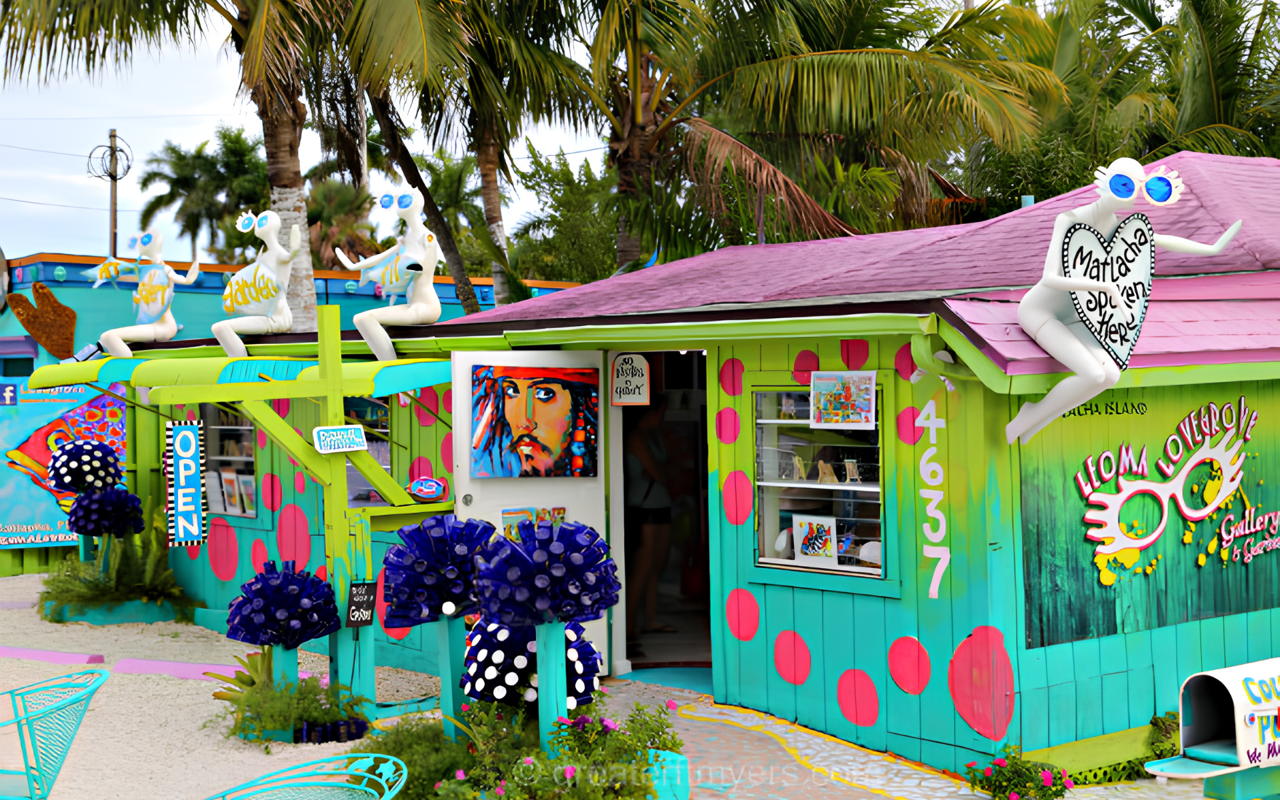
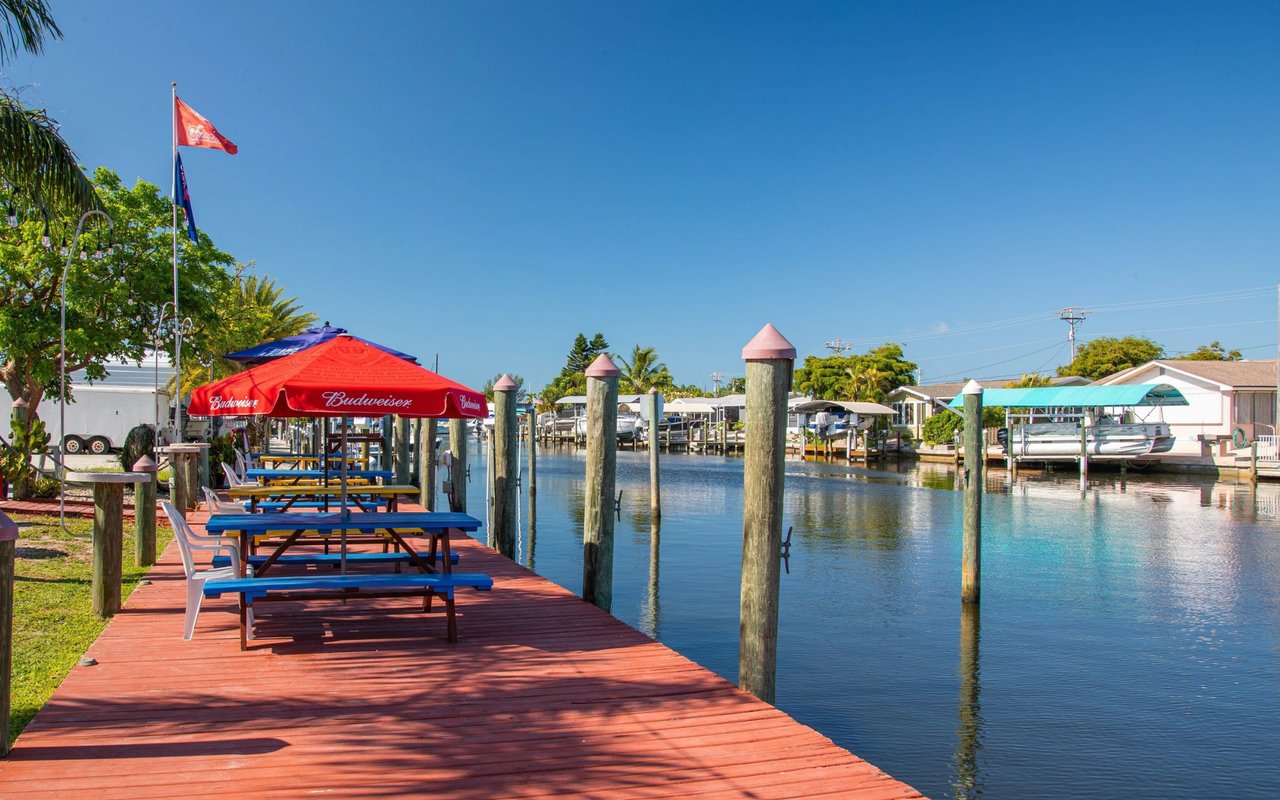
Today, this little island community between Cape Coral and Pine Island is known for its brightly painted buildings, eclectic art galleries, waterfront restaurants, and unmistakable Old Florida charm.
But long before Matlacha became an arts destination, it was a hardworking fishing village shaped by dredging, hurricanes, commercial fishing, and generations of families who made their living on the water.
And the story of how it became the Matlacha we know today is just as colorful as the buildings lining its streets.
To understand the history of Matlacha, we have to go back to a time before the bridges connected Pine Island to mainland Southwest Florida.
In the late 1800s and early 1900s, a small settlement called Harrsenville existed on Pine Island. It was named after Ferdinand Harrsen, a Danish newspaperman associated with the area's early development.
Life here looked very different from what visitors experience today.
By 1911, the settlement reportedly had just ten families, and land could be purchased for as little as $7.50 an acre.
There were no bustling waterfront restaurants, colorful galleries, or steady streams of visitors crossing the bridge.
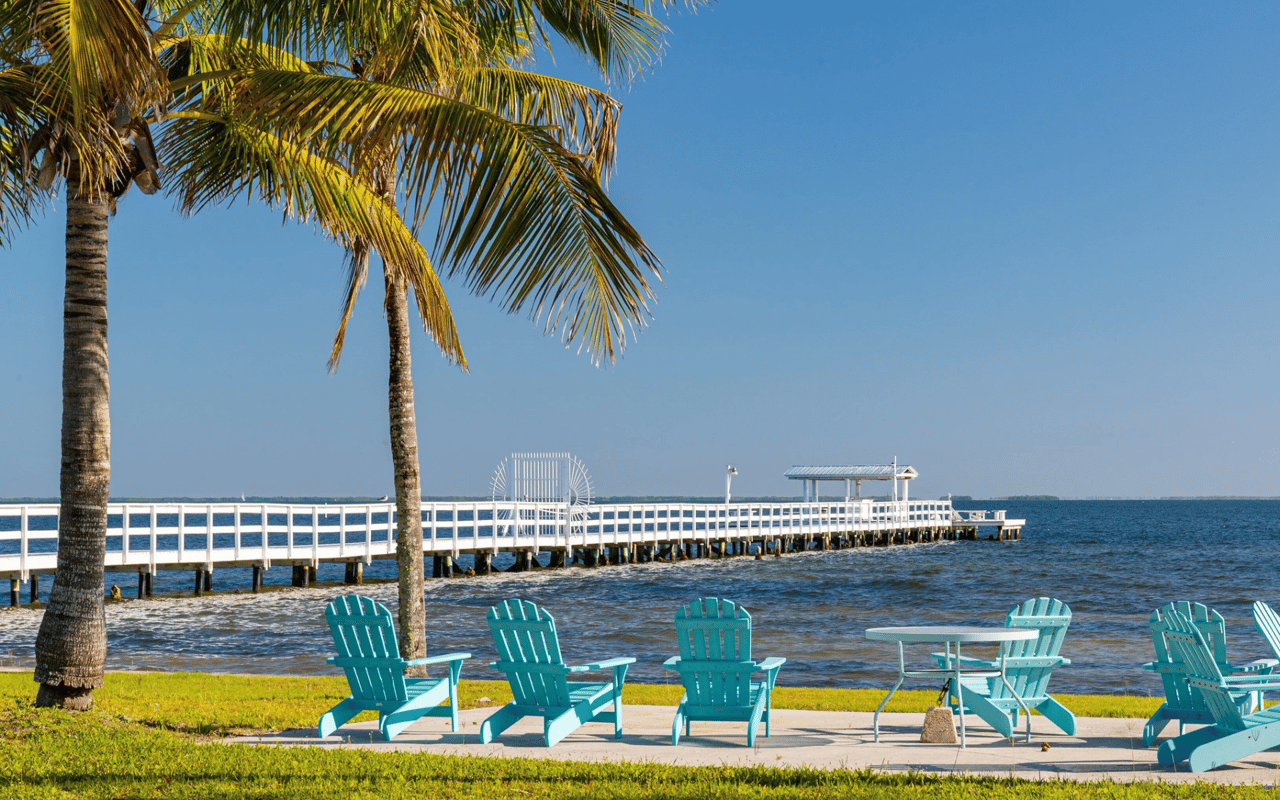
Instead, the surrounding waters of Matlacha Pass and Pine Island Sound supported a way of life centered on fishing, boating, and the natural resources of Southwest Florida.
But a major infrastructure project in the 1920s would change the area forever.
One of the most fascinating things about Matlacha is that much of the community developed on land created during construction of the original Pine Island crossing.
In the 1920s, crews dredged portions of Matlacha Pass, using the excavated material to create a roadway connecting Pine Island to the mainland.
A wooden bridge completed the connection, opening a new chapter for the island's residents.
The newly created land became known simply as "The Fill."
It wasn't exactly a glamorous beginning.
Families gradually settled along the narrow roadway, building modest cottages, fishing shacks, and homes near the water. Some structures extended over the shoreline, reflecting the community's close relationship with the fishing industry.
Over time, the area was called Pine Island Bridge before eventually becoming known as Matlacha.
What began as a practical transportation project was turning into a community of its own.
And then nature intervened.
In 1926, a powerful hurricane struck Southwest Florida, washing away the original bridge and damaging much of the newly constructed roadway.
For a young community that depended on its connection to Pine Island and the mainland, the destruction was significant.
But Matlacha didn't disappear.
By 1927, the crossing had been rebuilt, and the fishing village continued to develop.
Over the following decades, fishing boats, seafood markets, trailer parks, and waterfront cottages became familiar sights along the narrow strip of land.
The population grew rapidly. By 1950, Matlacha had experienced population growth of more than 500 percent over the preceding decade.
The community was becoming an important part of Southwest Florida's commercial fishing economy.
And at the center of it all was a bridge that would earn a legendary nickname.
For generations, the Matlacha Bridge was more than a way to get from Cape Coral to Pine Island.
It was a gathering place.
Fishermen lined the railings, casting into the productive waters of Matlacha Pass. Fishing became so popular that anglers sometimes interfered with vehicle traffic.
The situation eventually prompted the state to construct separate fishing catwalks to help keep fishermen out of the roadway.
That's how the bridge earned its famous nickname: Florida's Fishingest Bridge.
For locals and visitors alike, it became one of the most recognizable landmarks in the Pine Island area.
But perhaps one of the most unusual stories associated with Matlacha's fishing culture involved a prize that would be almost unimaginable today.
Imagine entering a fishing tournament and walking away with your own waterfront lot in Southwest Florida.
In 1961, that's exactly what one Matlacha fishing contest offered.
The prize was a waterfront parcel valued at $1,895, awarded to the person who caught the largest trout.
Participants had just two hours to compete, and boats weren't allowed.
It's the kind of story that sounds almost unbelievable when you consider the value of waterfront property in Southwest Florida today.
For anyone familiar with Matlacha real estate, Pine Island waterfront homes, or the demand for boating access along Matlacha Pass, the idea of winning a waterfront lot with a fishing rod is a remarkable reminder of how much the area has changed.
But the fishing industry that defined Matlacha for decades was approaching a major turning point.
For much of the 20th century, commercial fishing was the economic and cultural foundation of Matlacha.
Families worked the waters, seafood businesses supported local livelihoods, and the community developed a distinct identity as a working waterfront village.
Then came 1995.
Florida's constitutional amendment restricting certain types of fishing nets took effect, dramatically changing commercial fishing throughout the state.
For Matlacha, where generations of families had depended on the industry, the economic and cultural impact was substantial.
As traditional fishing businesses declined, the community began another transformation.
Artists and entrepreneurs discovered opportunities in the old fishing cottages and waterfront buildings.
Former fishing shacks became art studios. Small buildings were transformed into galleries, boutiques, and restaurants. Brightly colored facades began defining the streetscape.
Gradually, Matlacha evolved from a commercial fishing village into one of Southwest Florida's most recognizable arts communities.
Yet even as the buildings changed, the connection to the water remained.
There's a reason Matlacha stands out from other waterfront communities in Southwest Florida.
Unlike the master-planned neighborhoods and large developments found throughout parts of Cape Coral and Fort Myers, Matlacha developed organically.
Its narrow streets, modest cottages, historic fishing structures, and waterfront setting reflect a community shaped by necessity rather than a grand development plan.
That history is part of what continues to attract people interested in Old Florida living, Pine Island real estate, and waterfront properties near Matlacha Pass.
For buyers exploring Matlacha homes for sale, Pine Island homes for sale, or waterfront real estate in Lee County, the area's appeal goes beyond its colorful appearance.
It's about access to the water, boating and fishing traditions, local businesses, and a community identity that has survived generations of change.
Of course, Matlacha's story is still evolving.
Hurricane Ian in 2022 brought devastating damage to the area, creating another difficult chapter for residents and business owners.
The community's rebuilding efforts are now part of the same larger story of resilience that has defined Matlacha since its earliest days.
It's easy to drive through Matlacha and see only the colorful buildings, art galleries, and waterfront restaurants.
But look a little closer.
That narrow roadway tells the story of land created from dredged material.
The bridge recalls generations of fishermen who helped make Matlacha famous.
And those brightly painted cottages represent a community that found a new identity when its traditional industry changed.
From The Fill to Florida's Fishingest Bridge, from commercial fishing to an arts destination, Matlacha has spent nearly a century reinventing itself while holding on to its connection to the water.
Want to see the stories behind Matlacha's colorful streets?
In my latest video, we're taking a closer look at the fascinating history of Matlacha, including the bridge, the fishing village, and some of the surprising stories that helped shape this little Southwest Florida community.
Watch the History of Matlacha on YouTube
And if you enjoy discovering the history, hidden places, community developments, and real estate stories that make Southwest Florida special, I'd love to have you on my [Insiders List].
It's where I share local news, neighborhood updates, community events, development projects, and Southwest Florida real estate insights to help you stay connected to what's happening around Fort Myers, Cape Coral, Pine Island, and beyond.
Join Mel's Insiders List and get to know Southwest Florida beyond the headlines.
So next time you're driving through Matlacha, here's something to think about: Would you ever have guessed that this colorful little island community began as a strip of dredged land?
I'm Mel Smith, connecting Southwest Florida's past to the people who shape its future.
The Islands Market Report
November 24, 2026
The Islands Market Report
November 24, 2026
The Islands Market Report
November 24, 2026
Fort Myers Market Report
November 23, 2026
Cape Coral Market Report
November 24, 2026
The Islands Rising
Mel Smith | August 28, 2026